The 2026 Australian Political Book of the Year is…
29
October
2026
4
min read
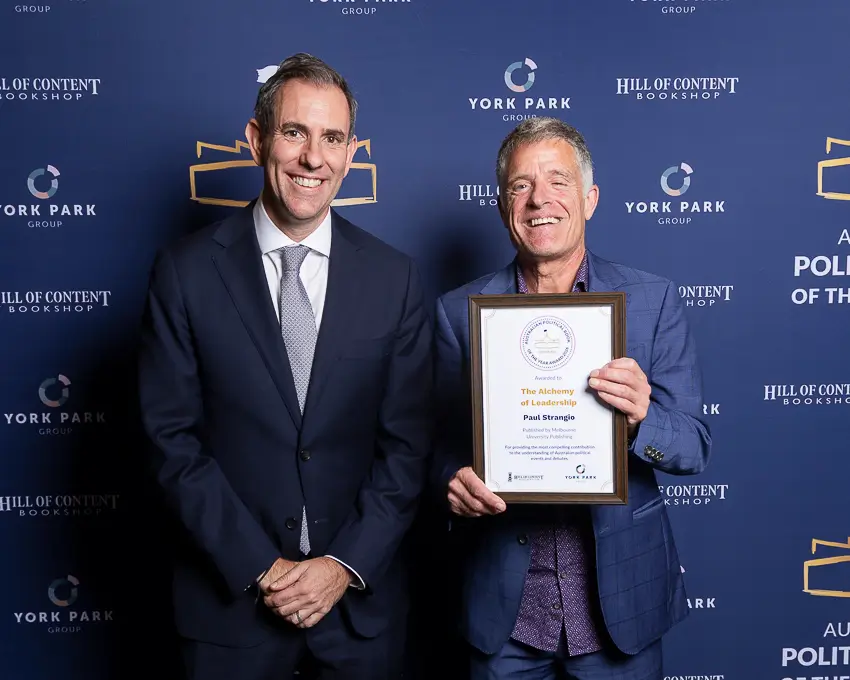
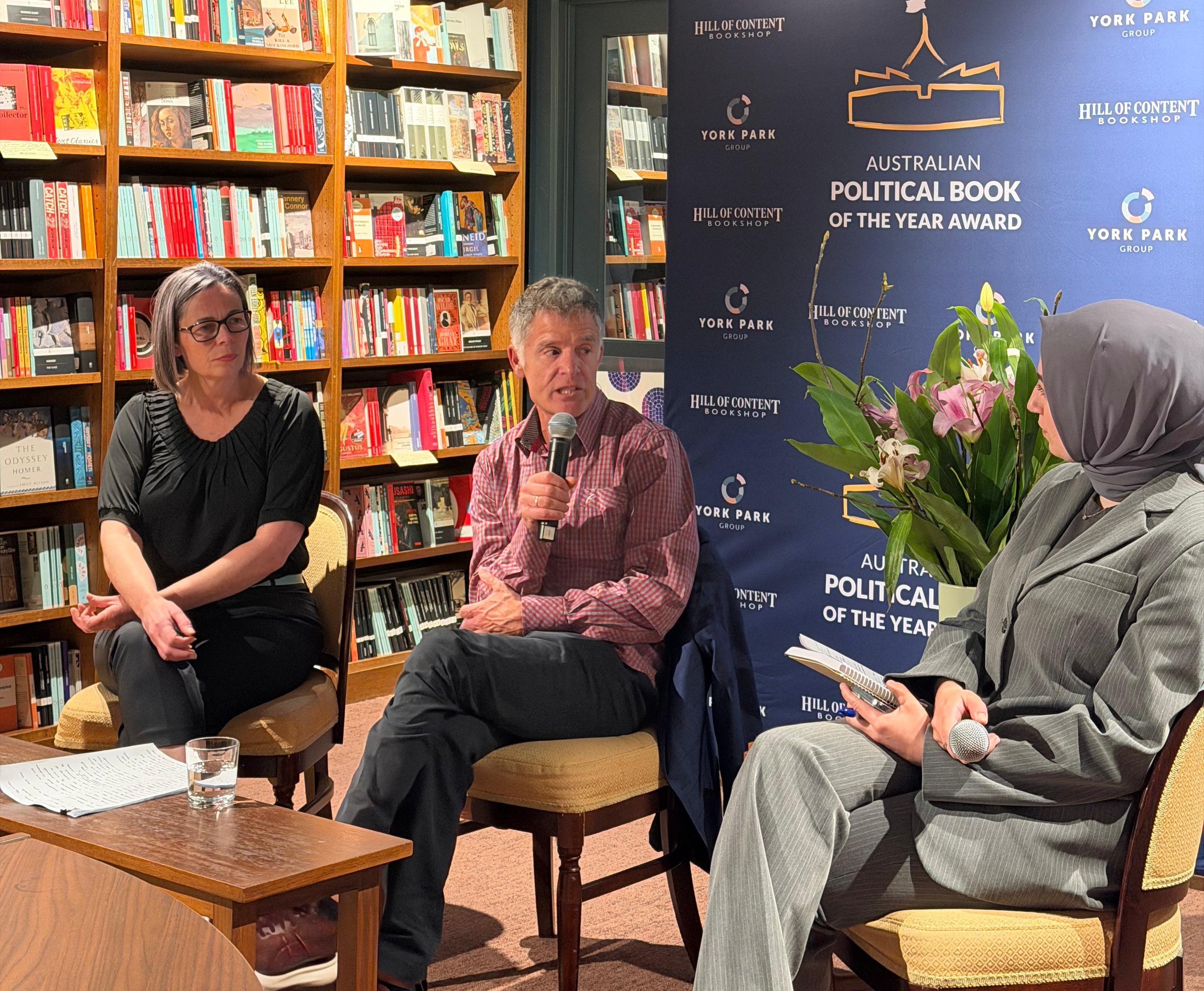
York Park Group is proud to co-sponsor the Australian Political Book of the Year Awards, which celebrates brilliant and compelling Australian political books.
Congratulations to Emeritus Professor Paul Strangio, the winner of the 2026 Australian Political Book of the Year Award for The Alchemy of Leadership: Seven Australian Prime Ministers in a Turbulent Twenty-First Century, published by Melbourne University Publishing.
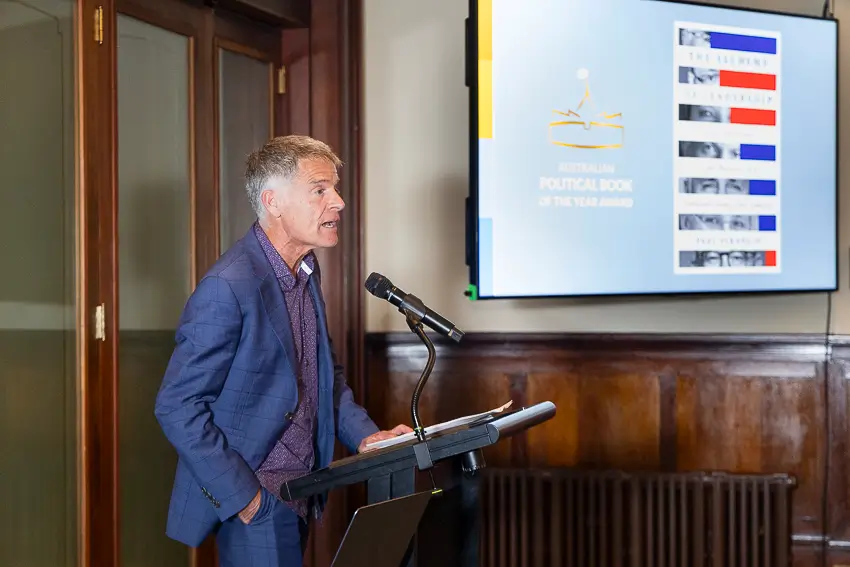
The Australian Political Book of the Year Award is jointly sponsored by York Park Group and bookstore, Hill of Content.
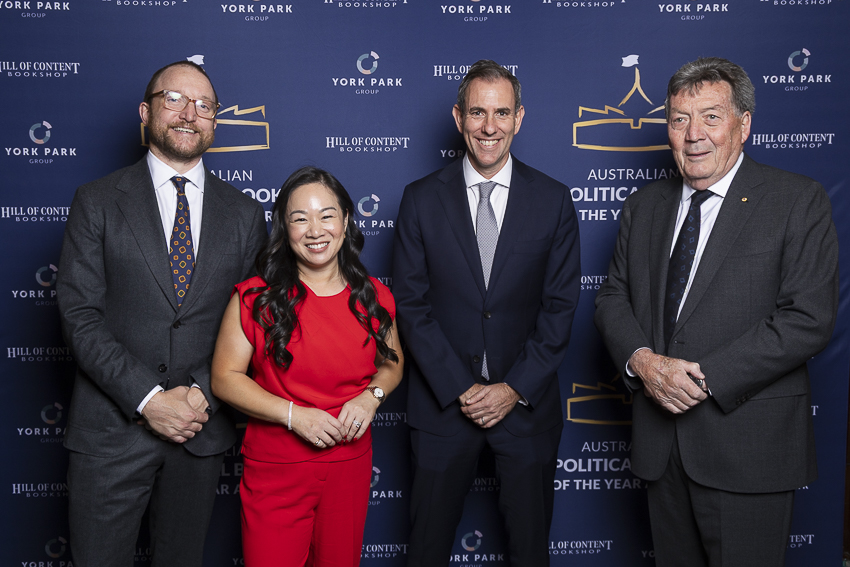
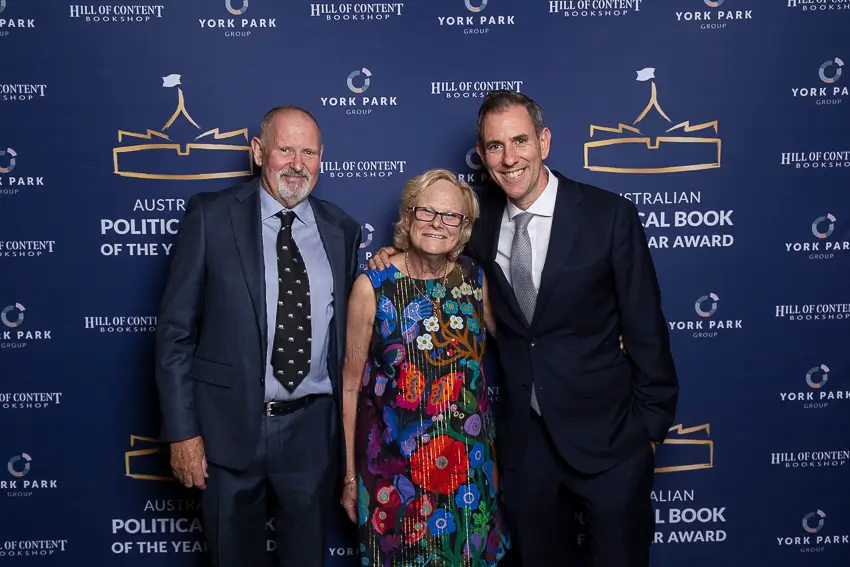
Established in 2022, the Awards recognise the vital part political books play in promoting a better understanding of Australian politics and public policy.
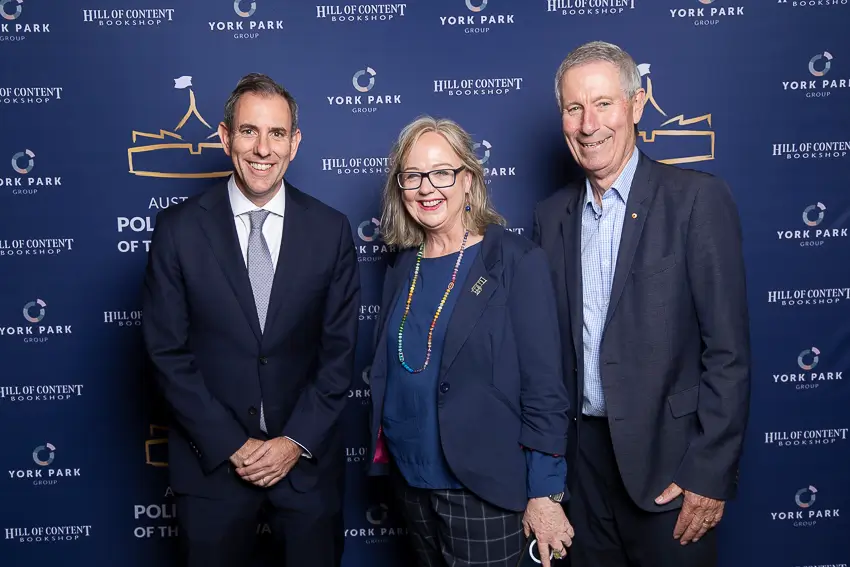
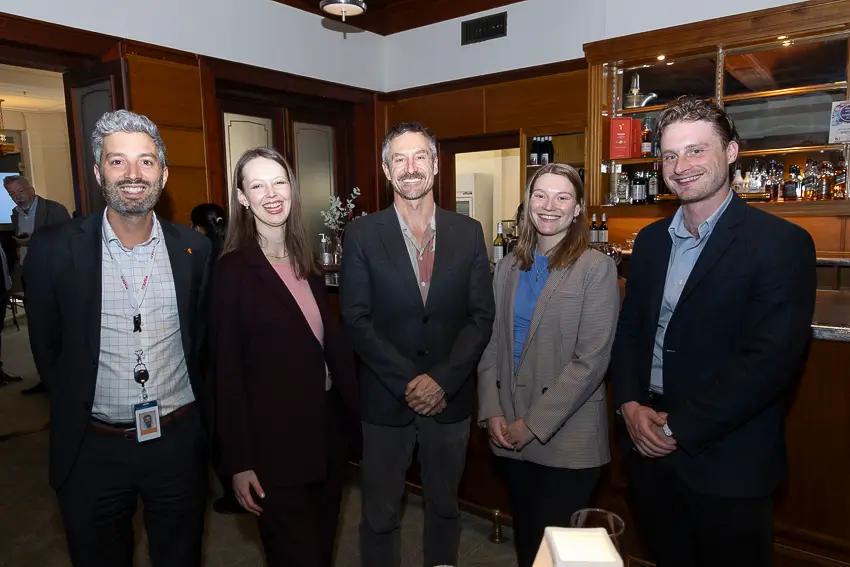
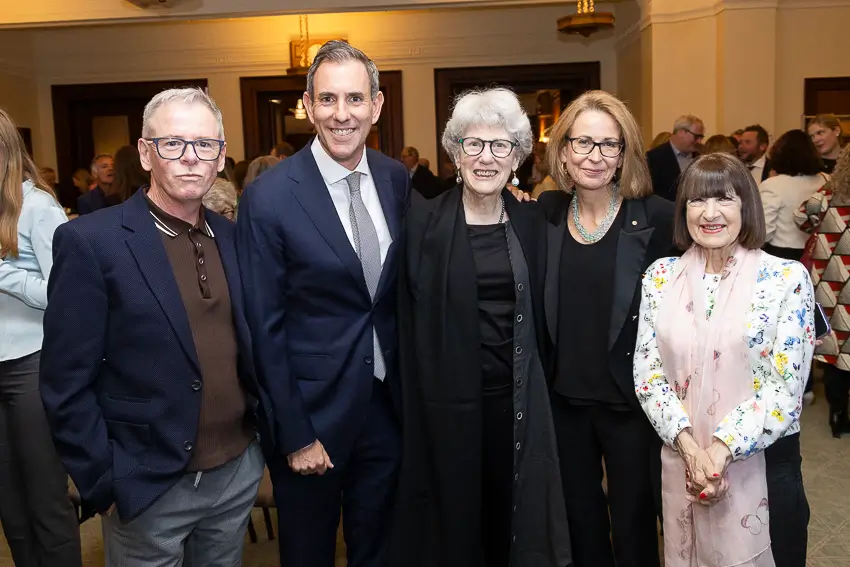
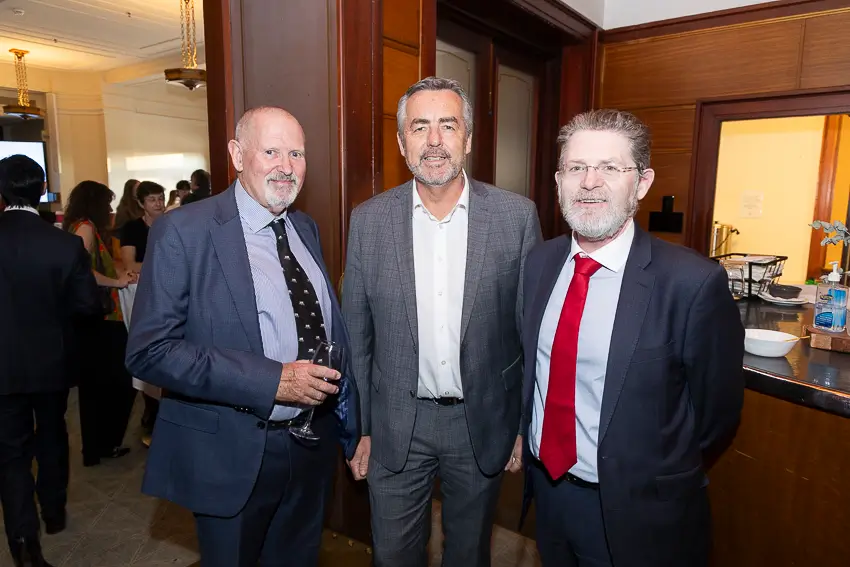
Treasurer the Hon. Dr Jim Chalmers MP announced the winner at Old Parliament House in Canberra on Wednesday 28 October.
“Tonight is a reminder why reason and research matters, why nuance matters. What's at risk and what's at stake, and why that matters as well. Books inform our views without necessarily hardening them...books can hone our perspective and harden our resolve.”
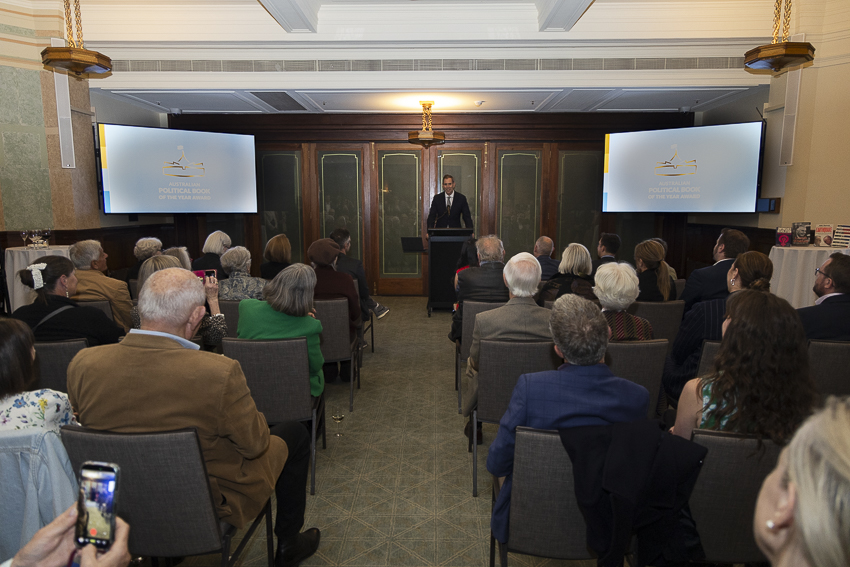

"Kafka, at twenty, wrote to a friend that a book can be like an axe for the frozen sea within us. A century later, a book can be like an axe to frozen seas between us."
"The four books on this shortlist do a bit of that work. They took years to write. They ask hours of their readers. They reward patience over provocation, and depth over convenience.
"They show us the difference between content - which we can access, forward or dismiss in an instant - and knowledge, which takes discipline to earn and generosity to share."
"Each nominee stands as a reminder that writing – and reading – are acts of mutual respect."
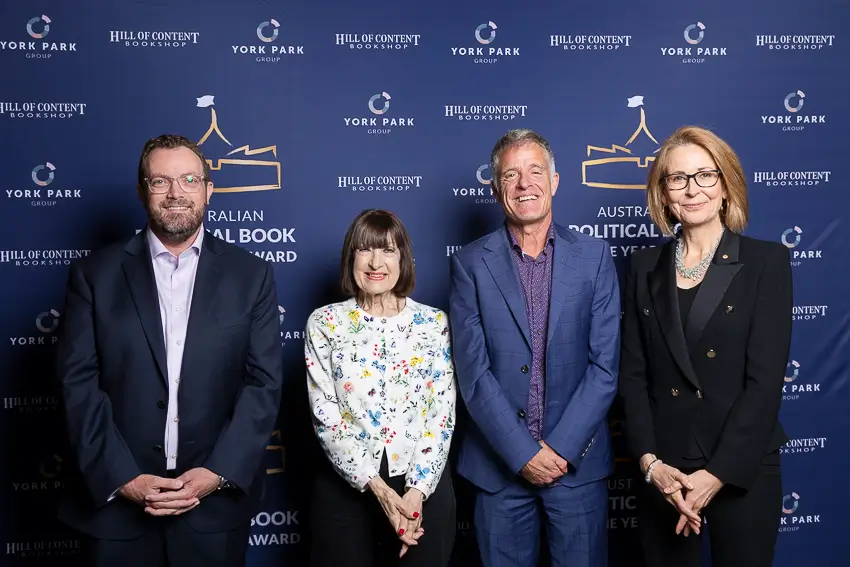
The Awards' distinguished panel of judges is Emeritus Professor of Political Science at the Australian National University, John Warhurst AO; senior writer for The Age and The Sydney Morning Herald, Kerrie O’Brien; and political journalist, Barrie Cassidy.
The Judges said The Alchemy of Leadership “… is a timely and masterful study of the necessary ingredients for successful political leadership in turbulent times”.
“Paul Strangio takes the leadership of Prime Minister John Howard as his starting point and then proceeds to examine the leadership of the six prime ministers who have followed him: Kevin Rudd, Julia Gillard, Tony Abbott, Malcolm Turnbull, Scott Morrison and the incumbent, Anthony Albanese. He puts the lives and careers of these leaders under the microscope: formative years, personalities and skills, guiding principles and leadership styles.”
“While Paul Strangio’s work provides significant insight into Australian political history, it also works as something of a roadmap. The best leadership strategies, key policy achievements, most important social impacts and most successful tenures generally, as explored here, give upcoming and aspiring leaders of all persuasions concrete examples from which to learn.”
“With leadership and power around the world under scrutiny, and democracy as it operates in Australia attracting attention globally, this is the book for our age.”
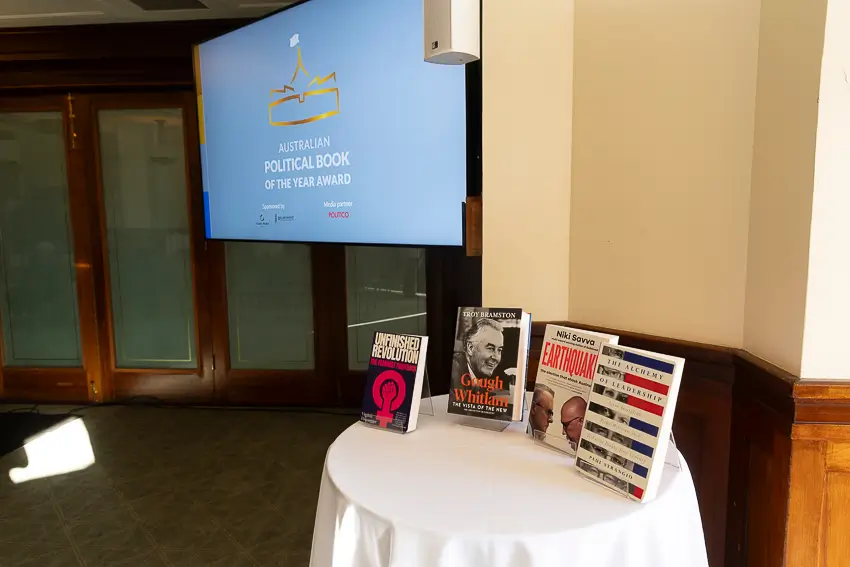
The Award received 35 submissions this year, from which 10 books were Longlisted and four Shortlisted.
The other three Shortlisted titles this year were: Gough Whitlam by Troy Bramston, Unfinished Revolution by Virginia Haussegger and Earthquake by Niki Savva.
Inaugural University Essay Prize
This year, the Awards also established the University Essay Prize, to recognise outstanding political writing by undergraduate students across Australia. It aims to champion the next generation of political thinkers, writers and commentators.
The winner of the inaugural University Essay Prize is Isabel Pieterson from the University of Melbourne, for her essay titled: How Can Social Justice Language Be Used to Support Extractive Projects.
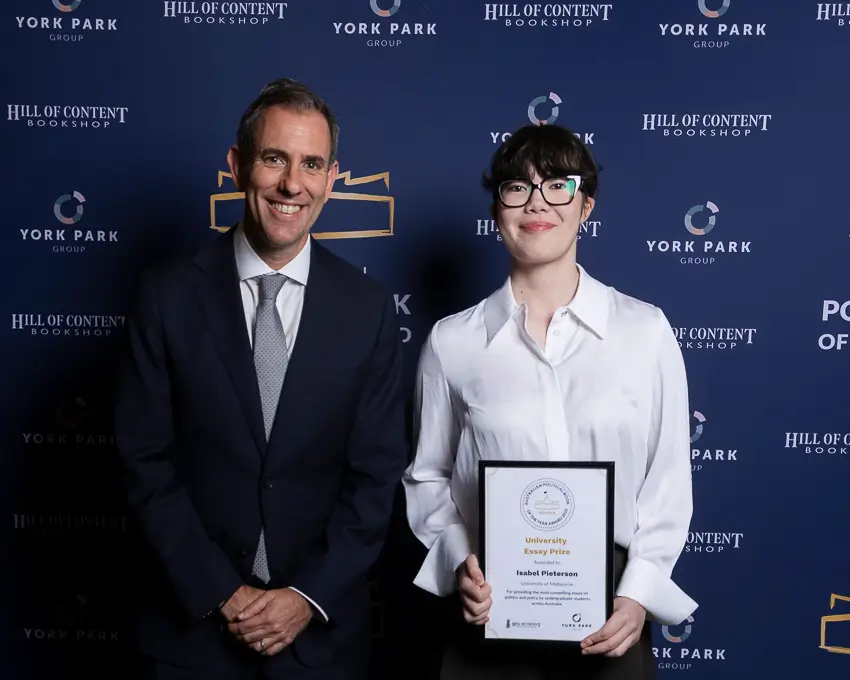
The Prize was judged by CEO of The Argyle Group, Jamie Miller, who has previously held academic positions at Yale and Cornell University:
“This is a wildly innovative approach to the question of how extractive companies might approach legitimising their businesses and accrue social capital projects.”
“Isabel argues – creatively – that social justice language might actually be adopted in favour of such projects, not against them. Moreover, the breadth of the intellectual approach, jumping from discipline to discipline, is excellent.”
26
October
2026
Preparing for the Big Build Royal Commission
Read news article
26
October
2026
Preparing for the Big Build Royal Commission
Download White Paper
15
October
2026
Unpacking Australia’s Digital Duty of Care reforms
Read news article
15
October
2026
Unpacking Australia’s Digital Duty of Care reforms
Download White Paper

To receive York Park Group updates via email, please subscribe
