Advocacy at scale in Jakarta
15
June
2026
4
min read
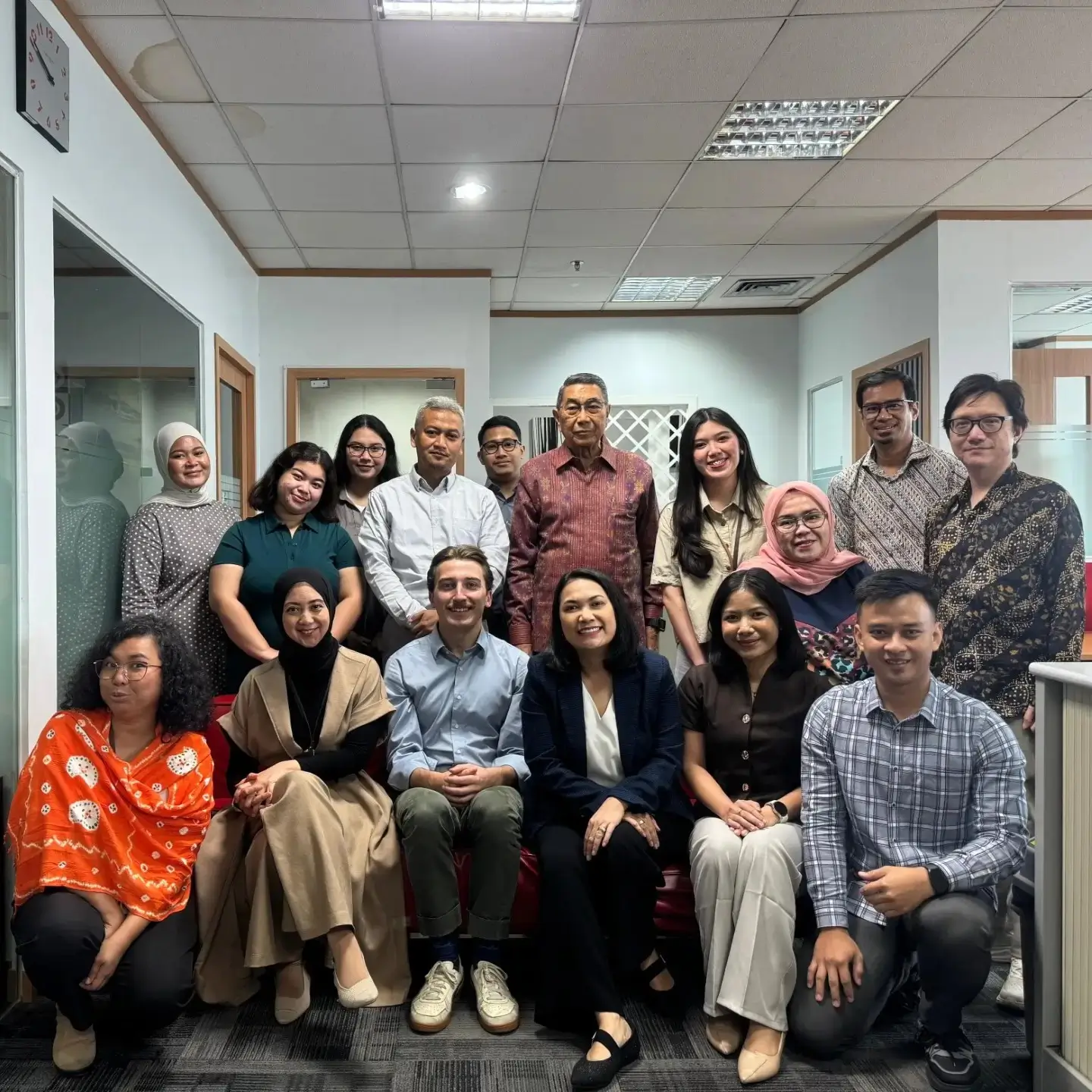
York Park Group Senior Associate, Jacob Hopgood, spent two weeks in Jakarta as part of a Department of Foreign Affairs and Trade professional placements program which aims to deepen Australia-Indonesia ties as part of Invested: Australia's Southeast Asia Economic Strategy to 2040. Here, Jacob shares his experience.
The scale of Indonesia is colossal and difficult to comprehend. That was the biggest lesson out of my two weeks on a professional placement with Kiroyan Partners, a strategic communications and public affairs firm in Jakarta.
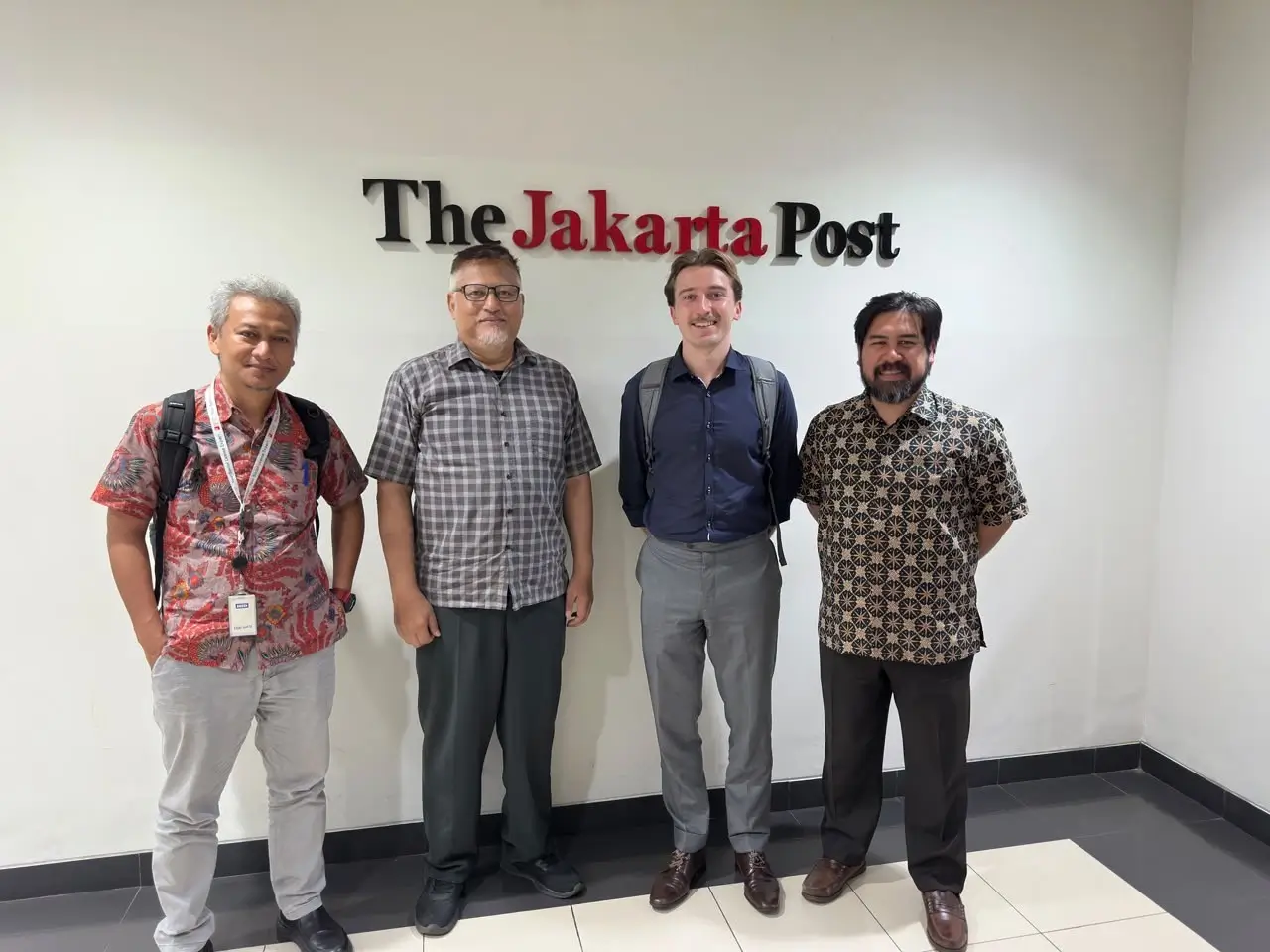
Kiroyan Partners, and Senior Consultant, Rahmad Budi Harto, made sure I saw Jakarta's political, media and business landscape up close.
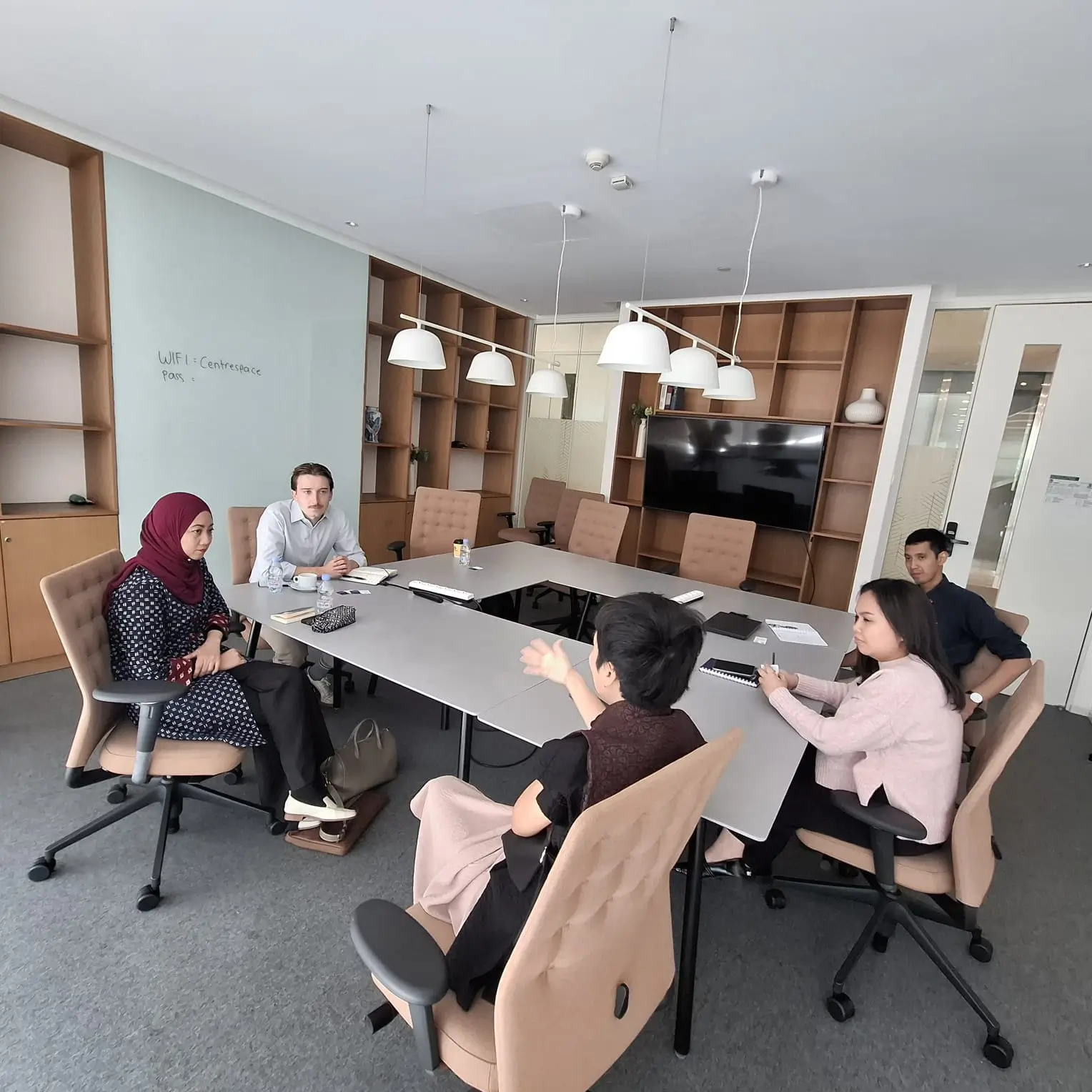
That included meetings with the UN Global Compact Network in Indonesia; the Editor of the country’s largest English language newspaper, The Jakarta Post; the Indonesia Australia Business Council; and the Centre for Indonesian Policy Studies, among others.
Kiroyan Partners’ mission is to provide workable business solutions that adhere to good corporate governance and corporate social responsibility principles.
The firm does not force its values upon its clients, but neither does it treat these as reputational add-ons. Instead, they are built into the core of its advice.
This is critical, as responsible business is fast becoming a condition of operating in Indonesia rather than an optional extra.
Ministerial Complexity
Operating in one of the world's largest cities, in the capital of the fourth most populous country, means the complexity of advocacy has no real equivalent in Australia.
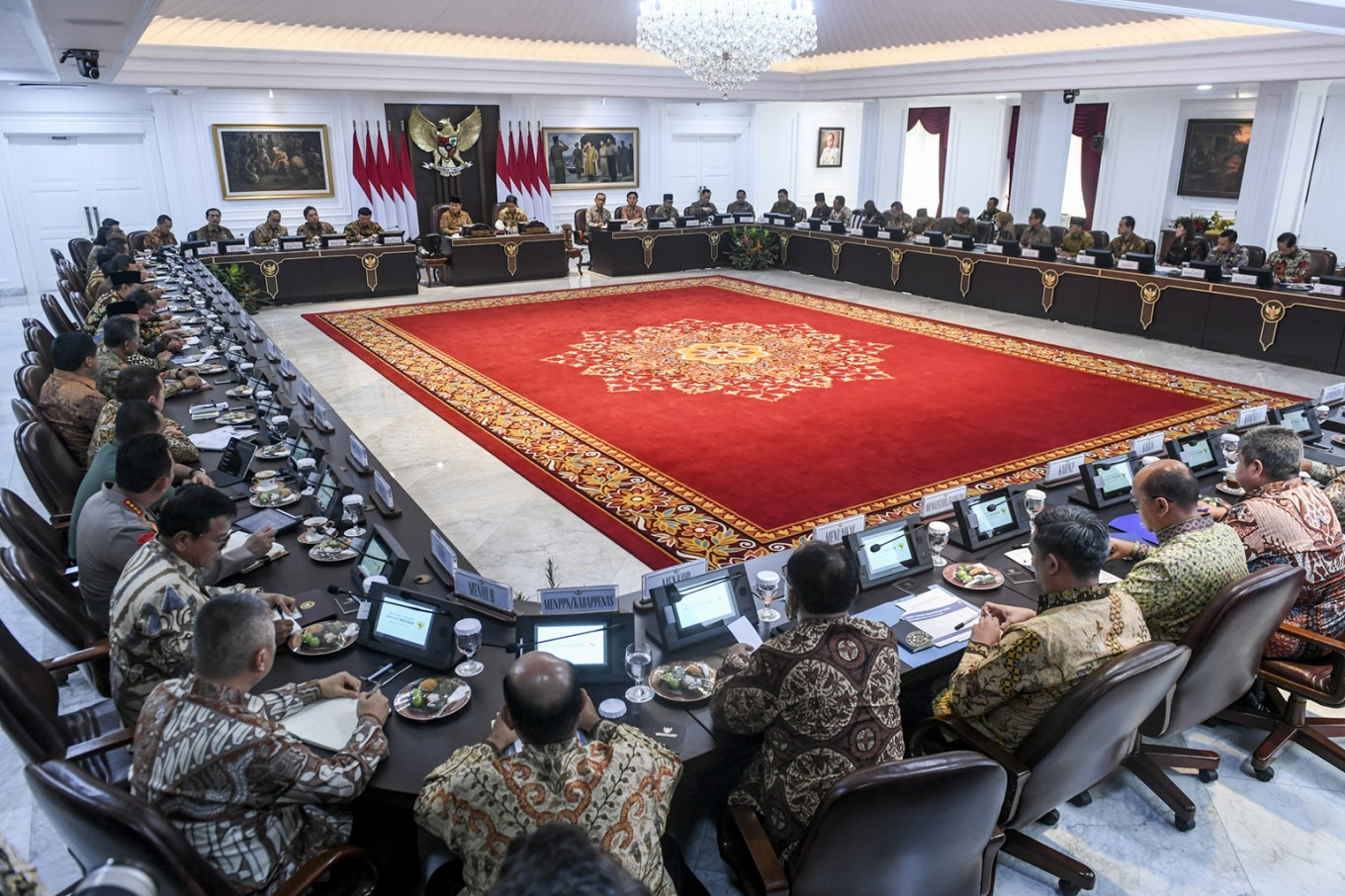
There are 48 ministerial portfolios, each with its own minister, alongside 54 deputy ministers and 10 cabinet-level agency officials. Each Minister carries the interests of their party first, which makes every ministry a coalition asset rather than a neutral agency.
Organisations are advised to read the Kabinet Merah Putih (Red and White Cabinet) not as an organisational chart but as a coalition map. The system rewards those who read that map accurately, and penalises those who treat it as a neutral bureaucracy.
For a firm like Kiroyan Partners, this means stakeholder mapping on a scale that is rarely required in Australia. Done accurately and comprehensively, it ensures both the opportunities and the risks are identified across the country.
Coalition Challenges
Beyond the Kabinet Merah Putih sits the Dewan Perwakilan Rakyat (House of Representatives), where parties belonging to President Prabowo's coalition hold 81 per cent of the seats.
The result is a parliament that, unlike Australia's, is less an arena of opposition between parties, rather one of coalition management. This has delivered real legislative stability, with bills and budgets passing comfortably.
However, it carries a risk of reduced oversight and more transactional policymaking. When almost everyone is in the coalition, who keeps the government in check?
This was a question that came up repeatedly during my two weeks in Jakarta, and one no one could truly answer.
Australia and Indonesia
When I asked an Australian Embassy official why they had chosen Jakarta for their posting, their answer was straightforward: "It's our closest neighbour, our biggest embassy, and the fourth largest country in the world. Where else would I want to be?"
This statement captures how Australia views Jakarta's importance. In fact, Prime Minister Anthony Albanese chose the country for his first overseas visit after each of his election victories.
Speaking there in May 2025, he said:
"The relationship between Australia and Indonesia is so important. Important for our defence and security, important for our economic future, and important for the region… What that represents is an enormous opportunity to grow our economic relationships, which is why in our first term we commissioned Nicholas Moore to do the Southeast Asia Economic Strategy to 2040."
It is through this strategy that the Department of Foreign Affairs and Trade funds this professional placements program.
Building a relationship between two countries is a notoriously difficult thing for governments to engineer, yet this program has done exactly that.
I now have a network of friends and contacts in Jakarta, and Intan, having spent two weeks in Melbourne, has the same. (Read about Intan’s placement here).
In addition, York Park Group and Kiroyan Partners are now connected in a way that would not otherwise have been possible, with potential opportunities to collaborate in the years ahead.
20
August
2026

100 days to the Victorian State Election
Read news article
20
August
2026
100 days to the Victorian State Election
Download White Paper


To receive York Park Group updates via email, please subscribe
